These are some photos of some of the things I ate in the last month or so.
Tiny teri-salmon brown rice bentos:
Dark Chocolate Cups with Bacon, Nuts & Fruits:
Yellow rice, green veg (zuke, haricots vert, pea pods, asparagus, chives), poached egg:
Egg salad and cucumbers with yogurt and dill:
Teriyaki Steak Salad:
Chicken salad with garden veg & herbs & red currants:
Veg with homemade mayonaisse:
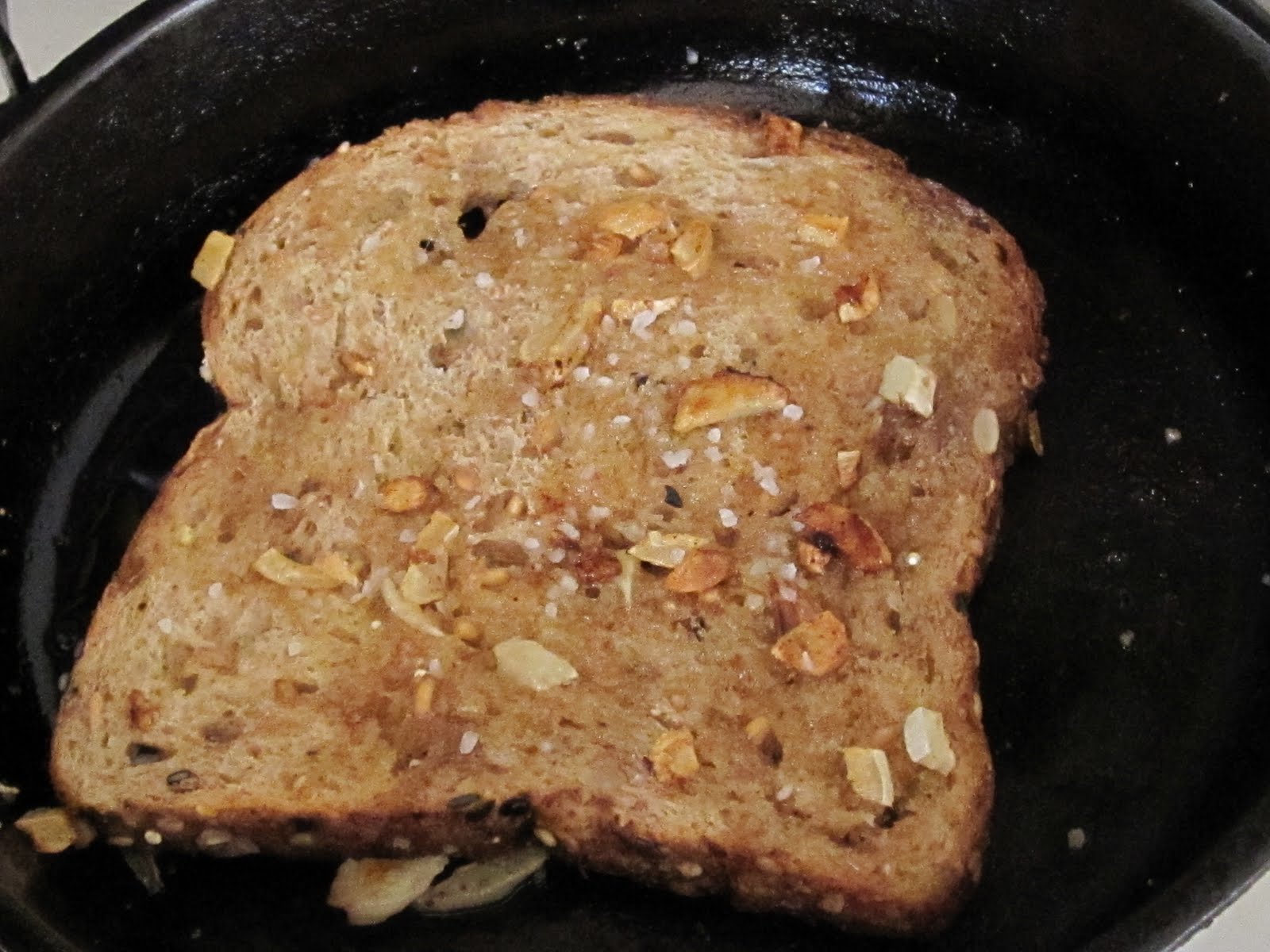
Dave's Killer Bread toasted in Schmaltz with garlic:
Buckwheat & Sorghum Flour Pancakes with homemade yogurt and kumquat marmalade:
English Breakfast Fry-Up: (sans blood pudding, roasted mushrooms, baked beans, broiled tom-ah-to)
Beef stew:
herbs for the stew:
the meat is still pink after being stewed low & slow for 4 hours:
I love iceberg lettuce with Thousand Island. Here, with roasted chicken atop:
Sunday, July 3, 2011
Friday, July 1, 2011
A Russian Movie and Some Russian Food
I went to see the movie 'My Perestroika' with my sister Sooz. The movie follows five Russian people from childhood during Soviet communism to the present day in Russia.
This little movie made me crave the Russian foods that I love - beets, carrots, potatoes, onions, dill, cabbage, mushrooms, tomatoes. So I came home and made some "Russian food": roasted chicken and vegetables.
This is what I made for dinner when we got home from the movie:
Roasted Beets with Orange Butter
Carrots with Dill
Roasted Mushrooms
Paprika Roasted Chicken
Roasted cabbage wedges
Beet greens and stems with onions
For some reason, I am completely fascinated with Russia, and especially the Soviet Union. I just want to know everything I can about ordinary life in Russia. I don't know why I am so drawn to Russia - and why I get so emotional when I see and hear stories, films, and pictures of Russia.
I saw a documentary on PBS a long time ago, that followed some children in the Soviet Union, filming the same children every few years. And then after the collapse of the Soviet Union, they found the same children and filmed how they were doing. During the time of the Soviet Union, the children lived pretty happy lives, and seemed to me to be much more innocent and sheltered than American children. Even though their families had a lower standard of living than typical Americans (living in crowded urban apartments, for example, and having very simple toys and other belongings), they seemed to have a wealth of stability, family closeness, and time in nature. Almost all families in Russia spend a considerable amount of time every year in the country at "daschas" - small cabins and property in the country, where they grow gardens and fruit trees, swim and hike and enjoy nature.
When I was a teenager, I loved the book and movie Dr. Zhivago. I think I saw that movie (the one with Omar Sharif and Julie Christie) at least 10 times in high school. I used to cut school and take the bus to Philadelphia to watch it on the big screen of a fancy movie theater, one that had balconies, velvet curtains with gold ropes and tassels, and a huge chandelier. I would cry and cry and cry. I loved the part when Alec Guiness, the narrator would say, "nobody loves poetry like a Russian."
I once had a job as a cook in a Russian restaurant in Berkeley called Petruschka. The menu had lots of beets and potatoes and dill and sour cream.
This little movie made me crave the Russian foods that I love - beets, carrots, potatoes, onions, dill, cabbage, mushrooms, tomatoes. So I came home and made some "Russian food": roasted chicken and vegetables.
This is what I made for dinner when we got home from the movie:
Roasted Beets with Orange Butter
Carrots with Dill
Roasted Mushrooms
Paprika Roasted Chicken
Roasted cabbage wedges
Beet greens and stems with onions
For some reason, I am completely fascinated with Russia, and especially the Soviet Union. I just want to know everything I can about ordinary life in Russia. I don't know why I am so drawn to Russia - and why I get so emotional when I see and hear stories, films, and pictures of Russia.
I saw a documentary on PBS a long time ago, that followed some children in the Soviet Union, filming the same children every few years. And then after the collapse of the Soviet Union, they found the same children and filmed how they were doing. During the time of the Soviet Union, the children lived pretty happy lives, and seemed to me to be much more innocent and sheltered than American children. Even though their families had a lower standard of living than typical Americans (living in crowded urban apartments, for example, and having very simple toys and other belongings), they seemed to have a wealth of stability, family closeness, and time in nature. Almost all families in Russia spend a considerable amount of time every year in the country at "daschas" - small cabins and property in the country, where they grow gardens and fruit trees, swim and hike and enjoy nature.
When I was a teenager, I loved the book and movie Dr. Zhivago. I think I saw that movie (the one with Omar Sharif and Julie Christie) at least 10 times in high school. I used to cut school and take the bus to Philadelphia to watch it on the big screen of a fancy movie theater, one that had balconies, velvet curtains with gold ropes and tassels, and a huge chandelier. I would cry and cry and cry. I loved the part when Alec Guiness, the narrator would say, "nobody loves poetry like a Russian."
I once had a job as a cook in a Russian restaurant in Berkeley called Petruschka. The menu had lots of beets and potatoes and dill and sour cream.
Monday, May 16, 2011
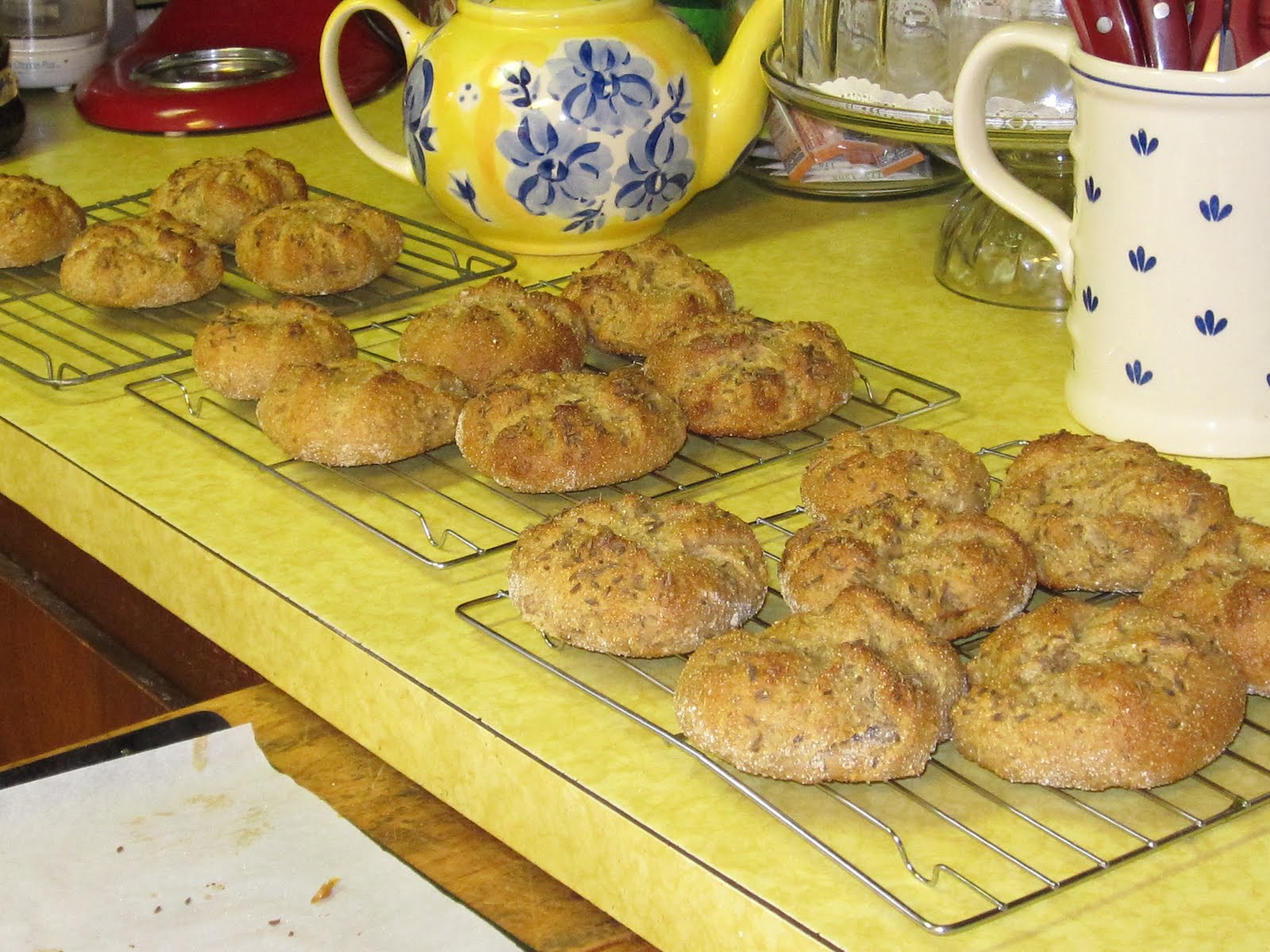
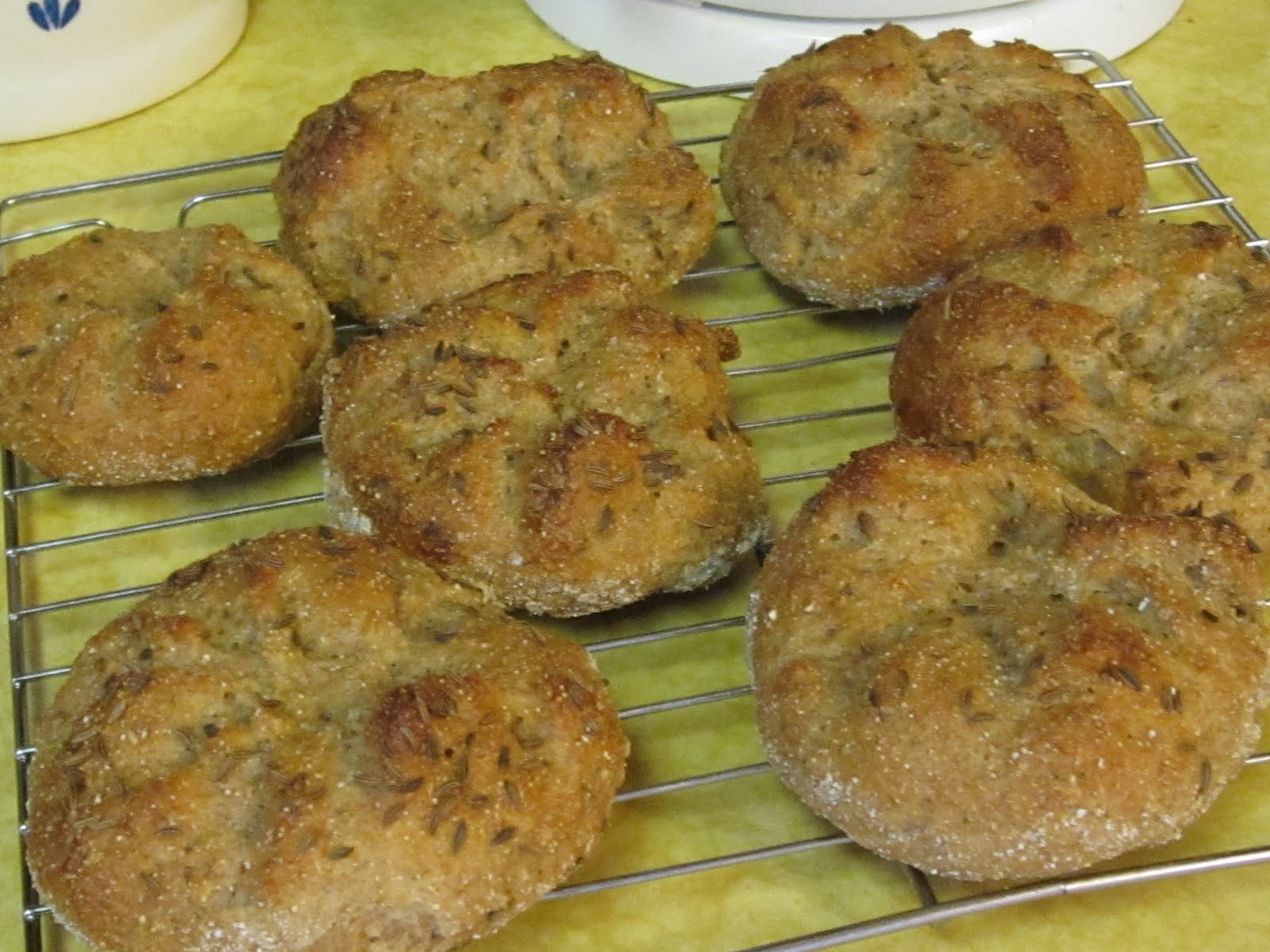
Swedish Limpa Rye Bread Slider Rolls
I mostly followed this recipe, from The American Heritage Cookbook, and added a little ginger, mace, and orange oil:
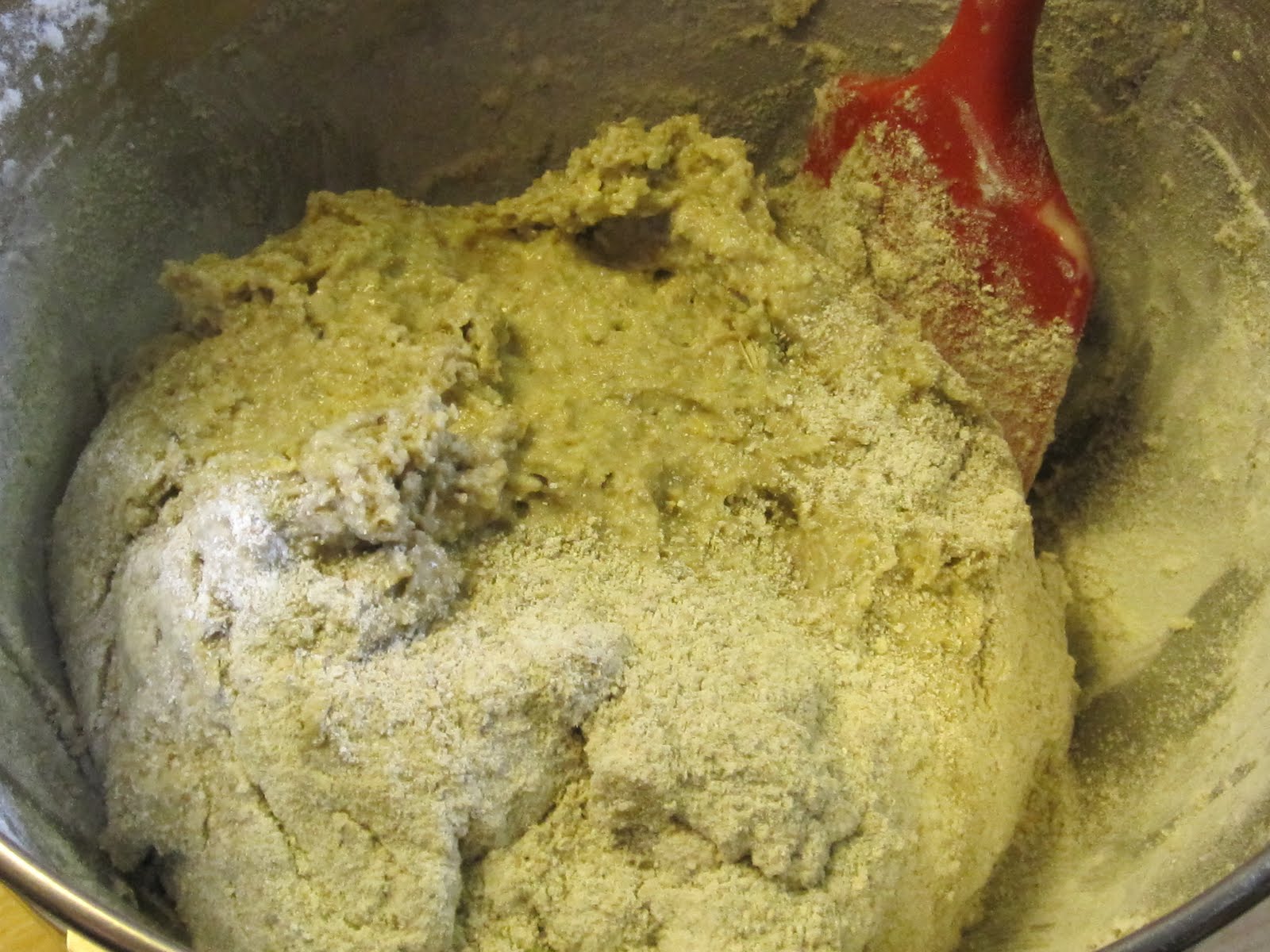
Let the dough rise until doubled, then punch it down. Divide dough into four parts, then divide each of those into four parts to make rolls. Form each into a flat disk, then bring the edges in to the center to make pinwheel rolls. Put them on parchment-papered pan. Brush with egg wash, sprinkle on caraway seeds, and let them rise for about 45 minutes. Heat oven to 400°, put them in the oven and turn it down to 325° and bake for about 25 - 30 minutes, until golden brown.
With Orange Butter
ORANGE BUTTER
1 stick of unsalted butter
1/2 cup canola, safflower or grapeseed oil
1/2 tsp sea salt
1/2 tsp orange oil
1 T orange zest
Let the butter and the oil come to room temperature before you begin. I unwrap the butter and put it in a 1 cup wide mouth jar or container. Gently stir the butter with a small whisk or a fork, and add the oil 1 teaspoonful at a time to gradually mix them. When the butter and oil are thoroughly mixed, stir in the other ingredients. Cover with lid and store in the fridge. This orange butter is soft enough to spread directly from the fridge.
Sorghum Pancakes
I discovered a new vendor at the Portland Farmer's Market, who sells whole grains, including sorghum grain, rye, and others.
SORGHUM PANCAKES
Mix:
1 cup sorghum flour
1 & 1/2 cups plain yogurt (or buttermilk, or milk)
1 egg
2 T oil or melted butter
1/2 tsp baking powder
1/4 tsp salt
Spoon onto a hot greased skillet or griddle, etc. You know what to do! I rolled this one up with lemon marmalade - mmm!
Sorry, but it seems to me that the PSU farmer market is over-loaded with HWP:
Look at this cool Octopus balloon!
One block away, I saw the oh-so-Portland Unicycle Bagpiper:
Thursday, April 21, 2011
Cooking Chicken 101
TiPs for handling and cooking chicken
1. Don't rinse the chicken - that just spreads bacteria. You can pat it dry with towels (paper or clean cloth).
2. If you use a plastic cutting board, sanitize it afterwards in a dishwasher. Wood can be hand washed with a sanitizing solution (I prefer vinegar and salt to bleach).
3. Wash your hands well and often; be careful to clean under fingernails. Using plastic gloves works too.
4. The USDA recommended temperature for cooked chicken has been revised to 165°. (It used to be higher.)
5. Use an instant-read thermometer - you can't tell if it's done just by looking. You might want to check the temperature in more than one location, such as the thickest part of the thigh and breast, being careful not to touch bone.
6. When buying poultry, check the sell-by date and buy the one farthest out.
7. Cook within 2 days of buying, regardless of sell-by date. Home refrigerators are warmer than store fridges.
8. Save the scraps - bones, trimmings, giblets. You can add them to a freezer bag and freeze to make broth later.*
9. Save the fat! It's healthier than you may think - high in helpful fats and low in polyunsaturated fats.
10. Cook at a moderate temperature - high temperature or broiling can dry it out and cook unevenly (too done/dry outside, not done inside.)
*to make broth:
· Put the bones** and scraps in a pot (a crockpot works well) and cover with water.
· Add some onion, carrot, celery, herbs (thyme, bay leaf, sage).
· Turn the heat to "low" and bring SLOWLY to a simmer. (DO NOT BOIL or it will turn cloudy and muddy-looking.)
· Cover and simmer for 2 to 6 hours.
· Strain the broth through a fine sieve or cheese-cloth lined colander.
· Discard the scraps and the vegetables.
· Season the broth to taste with salt.
· Pour the broth into containers (such as quart size yogurt tubs or wide-mouth canning jars).
· Chill the strained broth in the fridge for 12 - 24 hours.
· When chilled, the fat will rise to the top and form a solid layer that is easy to remove.
· Save the fat***! You can store it in small 1/2 cup containers and freeze.
· If the broth is solid (jelled) when chilled, that is a good thing! It means it is full of protein and flavor!
· You can use the broth right away or freeze. Freeze in 1 cup containers for ease of use.
· To make soup - add cooked vegetables, rice, noodles, lemon juice, ginger, etc. and heat.
**An option: To give the broth a darker, roasty flavor, roast the bones in a 350° oven for 30 minutes before making broth.
1. Don't rinse the chicken - that just spreads bacteria. You can pat it dry with towels (paper or clean cloth).
2. If you use a plastic cutting board, sanitize it afterwards in a dishwasher. Wood can be hand washed with a sanitizing solution (I prefer vinegar and salt to bleach).
3. Wash your hands well and often; be careful to clean under fingernails. Using plastic gloves works too.
4. The USDA recommended temperature for cooked chicken has been revised to 165°. (It used to be higher.)
5. Use an instant-read thermometer - you can't tell if it's done just by looking. You might want to check the temperature in more than one location, such as the thickest part of the thigh and breast, being careful not to touch bone.
6. When buying poultry, check the sell-by date and buy the one farthest out.
7. Cook within 2 days of buying, regardless of sell-by date. Home refrigerators are warmer than store fridges.
8. Save the scraps - bones, trimmings, giblets. You can add them to a freezer bag and freeze to make broth later.*
9. Save the fat! It's healthier than you may think - high in helpful fats and low in polyunsaturated fats.
10. Cook at a moderate temperature - high temperature or broiling can dry it out and cook unevenly (too done/dry outside, not done inside.)
*to make broth:
· Put the bones** and scraps in a pot (a crockpot works well) and cover with water.
· Add some onion, carrot, celery, herbs (thyme, bay leaf, sage).
· Turn the heat to "low" and bring SLOWLY to a simmer. (DO NOT BOIL or it will turn cloudy and muddy-looking.)
· Cover and simmer for 2 to 6 hours.
· Strain the broth through a fine sieve or cheese-cloth lined colander.
· Discard the scraps and the vegetables.
· Season the broth to taste with salt.
· Pour the broth into containers (such as quart size yogurt tubs or wide-mouth canning jars).
· Chill the strained broth in the fridge for 12 - 24 hours.
· When chilled, the fat will rise to the top and form a solid layer that is easy to remove.
· Save the fat***! You can store it in small 1/2 cup containers and freeze.
· If the broth is solid (jelled) when chilled, that is a good thing! It means it is full of protein and flavor!
· You can use the broth right away or freeze. Freeze in 1 cup containers for ease of use.
· To make soup - add cooked vegetables, rice, noodles, lemon juice, ginger, etc. and heat.
**An option: To give the broth a darker, roasty flavor, roast the bones in a 350° oven for 30 minutes before making broth.
Tuesday, April 12, 2011
Spring Vegetables
The local people in West Virginia told us that you need to eat greens in the Springtime to thin your blood (which got thick during the winter to keep you warm). So in that spirit, here are two spring vegetables I made today. I saw that the mint is starting to leaf out in my garden so it is time to make Minted Peas.
MINTED PEAS
First, I put some frozen baby peas in pan, added a little water and brought it to a boil. Then I shocked the peas in cold water and drained them. Put 'em in a bowl.
Chopped some fresh mint leaves, and the first baby chives from the garden.
Put the mint in the peas.
Warmed the chives in a tablespoonful of olive oil/butter in a pan, and added this to the peas.
+++++++++++++++++++++++++++++++++++
HERBED ARTICHOKE HEARTS
Frozen baby artichokes are available at Trader Joe's. I simmered them in a covered pan with a little water, Then drained them in a colander.
Added some lemon zest:
Heated some chicken Schmaltz that I had saved and frozen from when I made a herb roasted chicken, and sauteed some garlic:
Added some oregano and black pepper, and seasalt:
Tossed back in the artichokes to warm them, with a squeeze of lemon juice:
SPRING VEGETABLES ! :
Served with some red Canada herbal tea:
MINTED PEAS
First, I put some frozen baby peas in pan, added a little water and brought it to a boil. Then I shocked the peas in cold water and drained them. Put 'em in a bowl.
Chopped some fresh mint leaves, and the first baby chives from the garden.
Put the mint in the peas.
Warmed the chives in a tablespoonful of olive oil/butter in a pan, and added this to the peas.
+++++++++++++++++++++++++++++++++++
HERBED ARTICHOKE HEARTS
Frozen baby artichokes are available at Trader Joe's. I simmered them in a covered pan with a little water, Then drained them in a colander.
Added some lemon zest:
Heated some chicken Schmaltz that I had saved and frozen from when I made a herb roasted chicken, and sauteed some garlic:
Added some oregano and black pepper, and seasalt:
Tossed back in the artichokes to warm them, with a squeeze of lemon juice:
SPRING VEGETABLES ! :
Served with some red Canada herbal tea:
Subscribe to:
Posts (Atom)